Gospel Problems - The Sketchy Story of Jesus, Part 4 - Full Source List
Newton
https://www.independent.co.uk/news/science/the-core-of-truth-behind-sir-isaac-newtons-apple-1870915.html
Ehrman-White Debate, Parts 1 and 2
https://www.youtube.com/watch?v=moHInA9fAsI
https://www.youtube.com/watch?v=K2Mp4v8VQwQ
Woman Taken in Adultery
https://www.wbur.org/npr/138281522/how-bible-stories-evolved-over-the-centuries
http://www.thetextofthegospels.com/2016/06/the-pericope-adulterae-and-some-early.html
https://www.gotquestions.org/John-7-53-8-11.html
https://danielbwallace.com/2013/06/26/where-is-the-story-of-the-woman-caught-in-adultery-really-from/
When Did Jesus Die?
http://www.city-data.com/forum/christianity/1501796-four-gospels-agree-jesus-christ-crucified.html
https://www.webpages.uidaho.edu/ngier/passover.htm
Johannine Comma
http://www.bible-researcher.com/comma.html
https://pinakes.irht.cnrs.fr/notices/cote/47660/
http://ntvmr.uni-muenster.de/manuscript-workspace/?docid=30221
https://georgehguthrie.com/new-blog/johannine-comma
https://books.google.com/books?id=W7b_PCCJ-FwC&pg=PA214&lpg=PA214&dq=%22codex+221%22+john&source=bl&ots=xp1uud1iyy&sig=ACfU3U3AvfXDpB2VssNvig2OIbkwR1jjRw&hl=en&sa=X&ved=2ahUKEwjytefNvrrlAhUB1qwKHZejB0UQ6AEwAnoECBIQAQ#v=onepage&q=%22codex%20221%22%20john&f=false
Maria/Martha
https://www.youtube.com/watch?v=rfy6oiB_U-A
https://today.duke.edu/2019/06/mary-or-martha-duke-scholars-research-finds-mary-magdalene-downplayed-new-testament-scribes
Ending of Mark
https://www.biblicalarchaeology.org/daily/biblical-topics/new-testament/the-strange-ending-of-the-gospel-of-mark-and-why-it-makes-all-the-difference/
https://www.biblicalarchaeology.org/daily/biblical-topics/bible-versions-and-translations/absent-from-codex-sinaiticus-oldest-new-testament/
http://www.jeffriddle.net/2015/02/the-odd-empty-column-at-ending-of-mark.html
https://www.biblegateway.com/passage/?search=mark+16&version=NIV
http://www.deliveredbygrace.com/longer-ending-mark/
Bruce Metzger, A Textual Commentary on the Greek New Testament, 2nd edition, (Hendrickson Publishers, 2005), 123.
"Clement of Alexandria and Origen [early third century] show no knowledge of the existence of these verses; furthermore Eusebius and Jerome attest that the passage was absent from almost all Greek copies of Mark known to them."
"The last twelve verses of the commonly received text of Mark are absent from the two oldest Greek manuscripts (? and B), 20 from the Old Latin codex Bobiensis, the Sinaitic Syriac manuscript, about one hundred Armenian manuscripts, 21 and the two oldest Georgian manuscripts (written a.d. 897 and a.d. 913)."
Funk, Robert W. and the Jesus Seminar. The acts of Jesus: the search for the authentic deeds of Jesus.HarperSanFrancisco. 1998. "Empty Tomb, Appearances & Ascension" p. 449-495.
https://www.bibleodyssey.org/en/tools/ask-a-scholar/gospel-of-thomas
https://www.biblicalarchaeology.org/daily/biblical-topics/bible-versions-and-translations/the-gospel-of-thomas-114-sayings-of-jesus/
Ebionites
https://www.newworldencyclopedia.org/entry/Ebionites#Beliefs_and_practices
Marcionites
https://www.newworldencyclopedia.org/entry/Marcionism
Gnosticism
https://en.wikipedia.org/wiki/Diversity_in_early_Christian_theology
http://gnosis.org/library.html
http://impiousdigest.com/the-nag-hammadi-library/
http://gnosis.org/naghamm/gosthom.html
http://gnosis.org/naghamm/apopet.html
Bart Ehrman on the Gospel of Thomas
https://youtu.be/8nZFNBTt6q8?t=489
List of New Testament Manuscripts
http://bibletranslation.ws/manu.html
Gospels are anonymous. Matthew and Luke borrowed from Mark.
https://www.christianbiblereference.org/jintro.htm
Harris, Stephen L., Understanding the Bible. Palo Alto: Mayfield. 1985.
None of the Gospels claim to be eyewitnesses.
https://www.skepticink.com/humesapprentice/2012/09/15/gospels-anonymous-or-not/
A timeline of the authorship of the Gospels.
http://www.earlychristianwritings.com/index.html
Josephus
https://en.wikisource.org/wiki/The_Antiquities_of_the_Jews/Book_XX
https://en.wikisource.org/wiki/The_Antiquities_of_the_Jews/Book_XVIII
https://en.wikipedia.org/wiki/Josephus_on_Jesus#The_Testimonium_Flavianum
Other Secular Authors
http://faculty.georgetown.edu/jod/texts/pliny.html
http://www.perseus.tufts.edu/hopper/text?doc=Perseus%3Atext%3A1999.02.0078%3Abook%3D15%3Achapter%3D44
https://tinyurl.com/wjhl8lw
https://en.wikipedia.org/wiki/Thallus_(historian)
Pilate and Crucifixion
https://www.britannica.com/biography/Pontius-Pilate
https://en.wikipedia.org/wiki/Pontius_Pilate
https://ehrmanblog.org/did-romans-allow-jews-to-bury-crucified-victims-readers-mailbag-january-1-2018/
William Lane Craig's videos
https://www.youtube.com/watch?v=hKRRLpuGiQg
https://www.youtube.com/watch?v=6SbJ4p6WiZE
https://www.lexico.com/en/definition/exegete
Gary Habermas
https://www.garyhabermas.com/articles/southeastern_theological_review/minimal-facts-methodology_08-02-2012.htm
https://ses.edu/minimal-facts-on-the-resurrection-that-even-skeptics-accept/
https://www.youtube.com/watch?v=kWSG5okmUr8
Resurrection Attestation
https://www.reasonablefaith.org/writings/popular-writings/jesus-of-nazareth/the-resurrection-of-jesus/
http://www.divinerevelations.info/pdf/the_case_for_christ.pdf
https://www.reasonablefaith.org/writings/popular-writings/jesus-of-nazareth/the-resurrection-of-jesus/
John A. T. Robinson, The Human Face of God (Philadelphia: Westminster, 1973), p. 131.
http://understandingworldreligions.com/books_pdf/Griffith-Thomas_Christianity_Christ.pdf
Disciples' Martyrdom
https://en.wikisource.org/wiki/1_Clement_(Hoole_translation)
http://www.ntslibrary.com/PDF%20Books/First%20Epistle%20of%20Clement%20to%20the%20Corinthians.pdf
https://www.youtube.com/watch?v=ecGCVgyxs4o
Jesus predicted his death
https://en.wikipedia.org/wiki/Jesus_predicts_his_death#cite_note-12
Music is "Pure Attitude" and "Indore", by Kevin MacLeod (incompetech.com)
Licensed under Creative Commons: By Attribution 3.0
http://creativecommons.org/licenses/by/3.0/

Sunday, December 15, 2019

Tuesday, April 11, 2017
The Problems with Affirmative Consent Laws - Video Description
The passage of the affirmative consent bill in California was hailed as a grand victory by many people, as it represents a fundamental shift in the way sexual crimes would be investigated.
However, as I explain in this video, affirmative consent is a horrible provision to write into law, even though its underlying idea is noble.
The status of affirmative consent laws in the United States:
http://affirmativeconsent.com/affirmative-consent-laws-state-by-state/
Full text of the California Bill (SB 967):
https://leginfo.legislature.ca.gov/faces/billNavClient.xhtml?bill_id=201320140SB967
Co-author Bonnie Lowenthal's statement:
http://www.independent.com/news/2014/aug/11/affirmative-consent-u/
"The change shifts the burden of proof from the accuser, who had to show that she resisted, to the accused, who must now show that he sought and received her consent."
http://america.aljazeera.com/opinions/2015/1/campus-sexual-assaultaffirmativeconsent.html
Another unbelievable quote by Susan Dwyer, in which she vainly struggles to recriminate anyone who would suggest that this law could create more false accusations:
". . . only a morally repulsive assumption about women’s psychology would lead us to think that the policy [affirmative consent laws] increases the mendacity of those who report sexual assault" - Susan Dwyer
Jessica Valenti on the burden of proof:
http://www.washingtonpost.com/wp-dyn/content/article/2010/12/10/AR2010121006996.html
Another Feminist Blog on the burden of proof:
https://anotherfeministblog.wordpress.com/2013/12/22/your-burden-of-proof-is-bullshit/
My own blog post on why the burden of proof is the way it is, and why it should stay that way:
http://venaloid.blogspot.com/2015/02/consent-has-no-double-standard.html
Quote regarding the preponderance of evidence. This is also stated in SB 967, of course. I should note that this particular criticism is specific to the California bill, and is not necessarily a requirement for the basic idea of affirmative consent:
http://www.cnn.com/2014/09/03/living/affirmative-consent-school-policy/
Carol Tavris, "Who's Lying, Who's Self-Justifying?"
https://www.youtube.com/watch?v=9SpVVsOUsLo
24:42 - 25:36 -- People say “no” to mean many different things, even to indicate consent.
29:10 - 30:18 -- People do a “dance of ambiguity” to spare each other’s feelings.
30:18 - 31:20 -- A common signal of consent, AND of non-consent, is not doing anything.
33:41 - 33:55 -- Some women drink alcohol to create plausible deniability about their consent in case someone accuses them of being a slut; they intentionally blur the line.
34:35 - 37:05 -- Cognitive dissonance can create false memories about sexual encounters.
38:37 - 40:17 -- Dr. Tavris specifically denounces affirmative consent laws for the above reasons.
Article about one woman's personal blurred line:
http://totalsororitymove.com/is-it-possible-that-there-is-something-in-between-consensual-sex-and-rape-and-that-it-happens-to-almost-every-girl-out-there/
Other related articles worth reading:
http://thefederalist.com/2015/03/30/how-affirmative-consent-laws-criminalize-everyone/
http://www.theatlantic.com/politics/archive/2014/10/why-a-college-student-abandoned-affirmative-consent/381650/
College student expelled for BEING ASSAULTED:
https://youtu.be/-uVvVbczN_A?t=108
Support this channel on Patreon. Patrons now get to see a blooper reel for each video I make.
http://www.patreon.com/Venaloid
Music is "Pure Attitude", by Kevin MacLeod (incompetech.com)
Licensed under Creative Commons: By Attribution 3.0
http://creativecommons.org/licenses/by/3.0/
Monday, October 31, 2016
"Pop Feminism, how do you plead?" - Video Description
"Pop feminism", or mainstream feminism, does serious damage, not just to people who disagree with it ideologically, but also to people who just happened to be in the wrong place at the wrong time. Ideas like listen and believe, triggers and censorship, and conspiracies of oppression all have demonstrably harmful effects. The stories I list, and the extended links in the description are only a fraction of what I've seen over the years, these are just the ones I was able to dig up.
The1Janitor is a good, well-meaning person who I've been subscribed to for a while now, but I find it hard to believe that anyone who hangs out in this corner of YouTube hasn't heard at least some of the cases I mention in this video. Links below.
The1Janitor's video:
https://www.youtube.com/watch?v=JyQNnVHyU_c
Related video by Karen Straughan: "Why do MRAs attack feminism?"
https://www.youtube.com/watch?v=L2k86AaMfAY
> Eroding the rights of accused students at universities, .
http://www.independent.com/news/2014/aug/11/affirmative-consent-u/
http://america.aljazeera.com/opinions/2015/1/campus-sexual-assaultaffirmativeconsent.html
Pop feminists (/“real feminists” who wanted this change:
https://sashasaid.wordpress.com/2011/07/06/rape-and-consent-shifting-burdens/
http://www.thecollegefix.com/post/27685/
- Male student is found not guilty of sexual misconduct, punished anyway:
http://www.washingtonexaminer.com/school-found-accusers-claims-meritless-still-punishes-the-accused/article/2600436
- Male student accused of rape is not allowed a lawyer, accuser is.
http://www.thecollegefix.com/post/27697/
- Male student is raped when blacked out, and the school expels him
http://reason.com/blog/2015/06/11/amherst-student-was-expelled-for-rape-bu
- A federal judge had to reinstate a falsely-accused student
https://www.washingtonpost.com/news/morning-mix/wp/2016/10/03/judge-reinstates-brown-univ-student-accused-of-sexual-misconduct-blasts-students-who-bombarded-him-to-do-otherwise/
- Emma Sulkowicz (mattress girl):
--Her slander campaign against him was endorsed by their university because it promoted popular feminist ideas:
http://heatst.com/culture-wars/accused-man-in-mattress-girl-scandal-files-new-allegations-against-columbia/
-- She was honored by the National Organization for Women
http://nownyc.org/susan-b-anthony-awards/
- Rolling Stone rape accuser Jackie
- Lauded by the National Organization for Women
http://www.truthrevolt.org/news/now-ignores-confirmed-rape-hoax-calls-student-sexual-assault-survivor-anyway
- Falsely accused male student was not told the charges, was not allowed counsel, and only escaped because his mother happened to be an attorney and knew what to do.
https://womenagainstfeminismuk.wordpress.com/2015/07/06/rape-culture-what-happens-when-a-feminists-son-is-accused-of-rape/
- Emerging trends of mothers speaking up on behalf of their sons and other men because the main stream (that is, social-justice pop-feminists) value female voices over male voices:
http://www.conservativewoman.co.uk/leslie-loftis-mothers-speak-sons-enrage-hardline-feminists/
https://www.washingtonpost.com/news/morning-mix/wp/2016/08/29/toxic-environment-for-sons-accused-of-campus-sex-offenses-turns-mothers-to-militants/
Other stories:
http://www.washingtonexaminer.com/due-process-win-california-judge-rules-campus-kangaroo-court-unfair/article/2568180
https://reason.com/blog/2016/04/06/this-university-cleared-a-male-student-o
- University of Manchester censored a debate about censorship.
http://www.ibtimes.co.uk/manchester-su-bans-second-guest-milo-yiannopoulos-free-speech-event-following-julie-bindel-outcry-1522939
- Springfield College canceled a “Men in Literature” class when four students complained, appealing to the idea that men face no inequality, even though that was never proposed in the coursework.
https://www.nas.org/articles/springfield_purges_men_in_literature
- Professor who tried to abide by sensitive students’ triggers, still managed to offend.
http://www.salon.com/2015/10/28/i_wanted_to_be_a_supporter_of_survivors_on_campus_and_a_good_teacher_i_didnt_realize_just_how_impossible_this_would_be/
- Harvard feminists wanted to abolish male-only clubs, but not female-only clubs, on the grounds of, you guessed it, systematic female oppression.
http://heatst.com/culture-wars/feminists-want-harvards-all-male-clubs-punished-but-not-all-womens-clubs/
> The only men’s shelter in Canada didn’t receive enough funds to stay open: http://news.nationalpost.com/news/canada/privately-run-shelter-for-male-victims-of-domestic-abuse-forced-to-close-its-doors-due-to-lack-of-funding
Other links:
http://www.inside-man.co.uk/2016/02/16/4655/
http://www.vox.com/2015/6/3/8706323/college-professor-afraid
http://www.telegraph.co.uk/news/science/space/11231320/Rosetta-mission-scientist-Dr-Matt-Taylor-cries-during-apology-over-offensive-shirt.html
The1Janitor is a good, well-meaning person who I've been subscribed to for a while now, but I find it hard to believe that anyone who hangs out in this corner of YouTube hasn't heard at least some of the cases I mention in this video. Links below.
The1Janitor's video:
https://www.youtube.com/watch?v=JyQNnVHyU_c
Related video by Karen Straughan: "Why do MRAs attack feminism?"
https://www.youtube.com/watch?v=L2k86AaMfAY
> Eroding the rights of accused students at universities, .
http://www.independent.com/news/2014/aug/11/affirmative-consent-u/
http://america.aljazeera.com/opinions/2015/1/campus-sexual-assaultaffirmativeconsent.html
Pop feminists (/“real feminists” who wanted this change:
https://sashasaid.wordpress.com/2011/07/06/rape-and-consent-shifting-burdens/
http://www.thecollegefix.com/post/27685/
- Male student is found not guilty of sexual misconduct, punished anyway:
http://www.washingtonexaminer.com/school-found-accusers-claims-meritless-still-punishes-the-accused/article/2600436
- Male student accused of rape is not allowed a lawyer, accuser is.
http://www.thecollegefix.com/post/27697/
- Male student is raped when blacked out, and the school expels him
http://reason.com/blog/2015/06/11/amherst-student-was-expelled-for-rape-bu
- A federal judge had to reinstate a falsely-accused student
https://www.washingtonpost.com/news/morning-mix/wp/2016/10/03/judge-reinstates-brown-univ-student-accused-of-sexual-misconduct-blasts-students-who-bombarded-him-to-do-otherwise/
- Emma Sulkowicz (mattress girl):
--Her slander campaign against him was endorsed by their university because it promoted popular feminist ideas:
http://heatst.com/culture-wars/accused-man-in-mattress-girl-scandal-files-new-allegations-against-columbia/
-- She was honored by the National Organization for Women
http://nownyc.org/susan-b-anthony-awards/
- Rolling Stone rape accuser Jackie
- Lauded by the National Organization for Women
http://www.truthrevolt.org/news/now-ignores-confirmed-rape-hoax-calls-student-sexual-assault-survivor-anyway
- Falsely accused male student was not told the charges, was not allowed counsel, and only escaped because his mother happened to be an attorney and knew what to do.
https://womenagainstfeminismuk.wordpress.com/2015/07/06/rape-culture-what-happens-when-a-feminists-son-is-accused-of-rape/
- Emerging trends of mothers speaking up on behalf of their sons and other men because the main stream (that is, social-justice pop-feminists) value female voices over male voices:
http://www.conservativewoman.co.uk/leslie-loftis-mothers-speak-sons-enrage-hardline-feminists/
https://www.washingtonpost.com/news/morning-mix/wp/2016/08/29/toxic-environment-for-sons-accused-of-campus-sex-offenses-turns-mothers-to-militants/
Other stories:
http://www.washingtonexaminer.com/due-process-win-california-judge-rules-campus-kangaroo-court-unfair/article/2568180
https://reason.com/blog/2016/04/06/this-university-cleared-a-male-student-o
- University of Manchester censored a debate about censorship.
http://www.ibtimes.co.uk/manchester-su-bans-second-guest-milo-yiannopoulos-free-speech-event-following-julie-bindel-outcry-1522939
- Springfield College canceled a “Men in Literature” class when four students complained, appealing to the idea that men face no inequality, even though that was never proposed in the coursework.
https://www.nas.org/articles/springfield_purges_men_in_literature
- Professor who tried to abide by sensitive students’ triggers, still managed to offend.
http://www.salon.com/2015/10/28/i_wanted_to_be_a_supporter_of_survivors_on_campus_and_a_good_teacher_i_didnt_realize_just_how_impossible_this_would_be/
- Harvard feminists wanted to abolish male-only clubs, but not female-only clubs, on the grounds of, you guessed it, systematic female oppression.
http://heatst.com/culture-wars/feminists-want-harvards-all-male-clubs-punished-but-not-all-womens-clubs/
> The only men’s shelter in Canada didn’t receive enough funds to stay open: http://news.nationalpost.com/news/canada/privately-run-shelter-for-male-victims-of-domestic-abuse-forced-to-close-its-doors-due-to-lack-of-funding
Other links:
http://www.inside-man.co.uk/2016/02/16/4655/
http://www.vox.com/2015/6/3/8706323/college-professor-afraid
http://www.telegraph.co.uk/news/science/space/11231320/Rosetta-mission-scientist-Dr-Matt-Taylor-cries-during-apology-over-offensive-shirt.html
Tuesday, March 31, 2015
In Favor of Legal Paternal Surrender
Legal paternal surrender (LPS) is the idea that men who unintentionally become fathers should be allowed to walk away from their paternal duties to the (unborn) child (i.e. child support), which would mirror women's right to walk away from their maternal duties via abortions. LPS would provide men with a legal equivalent to an abortion, which would give them the same sovereignty over their futures as parents (or as non-parents) that women have. This, I believe, would be more equal than our current system.

Now, because this topic is touchy and easily misunderstood, I would like to briefly clarify what LPS is not. LPS is not "spousal consent", wherein the mother can only abort if the father approves. Nor is it "forced abortion", wherein the mother is required to abort if the father demands it. LPS has nothing to do with the mother's right to abort; it simply says that men should have the right to refuse parenthood and walk away, as women already can. This means no child support, no duties whatsoever.
To reiterate: I am not arguing that the father should have the power to force a woman to abort her fetus or to keep it: I am arguing that the father should have the legally-protected right to completely sever ties to his future children, just as women can sever their future ties via abortion. It is still her body and her choice, but it's also his future, and I think he should have that choice, not her.
Legal paternal surrender is also a necessary freedom in cases where men are raped by women, just as abortion is a necessary freedom in cases where women are raped by men. Unfortunately, in our current system, male victims of female rapists are required to pay child support to their rapists, even when the male victims are under age, and this is unacceptable.
S.F. v. Alabama ex rel. T.M.
http://moodle.davidson.edu/moodle2/mod/resource/view.php?id=47405
> Woman has sex with an unconscious man, gets pregnant, and wins child support.
1996 Case of Underage Boy being Raped

Legal paternal surrender has been discussed in many different ways and by a wide variety of people, so I encourage you to supplement this essay with some of the discussions linked below. Instead of reiterating these arguments, I will spend the rest of this essay responding to some common objections to LPS, which most of these discussions never mention.
An article which explores the history and arguments surrounding LPS
http://www.salon.com/2013/11/02/make_fatherhood_a_mans_choice_partner/
A detailed overview of some of the arguments on both sides of this isses
http://news.nationalpost.com/2013/11/08/opting-out-women-can-have-an-abortion-some-men-say-they-should-have-a-choice-over-parenthood-too/
An analysis by a professor of philosophy and gender studies
http://opinionator.blogs.nytimes.com/2013/06/12/is-forced-fatherhood-fair/?_r=0
A brief but well-written "ramble" on the issue
http://keithwiley.com/mindRamblings/abortion.shtml#mensRights
A dense, philosophical essay on parental rights and choosing parenthood
http://departments.bloomu.edu/philosophy/pages/content/hales/articlepdf/dadsrights.pdf
1a. This is actually a very reasonable concern, and it is a good objection to LPS as it has been presented. I agree that this needs to be addressed before LPS becomes the law. Indeed, I have become increasingly disappointed in many of the arguments in favor of LPS because they never answer this objection, and by that token, they end up arguing for a system in which women have to do all the work involved in getting an abortion, while men would simply have to sign a form and that's it, which is totally unfair to women.
So, in order to make LPS as fair as possible for men and women, I would like to propose some caveats to the process that men would have to go through, with the goal of mirroring the difficulties that the mother would have to go through for an abortion. The caveats I propose are as follows:
> The father could only sign the paperwork at an abortion clinic (if one even exists near him).
> The father would have to jump through the same hoops as the mother would have to (waiting periods, multiple visits, maybe an unnecessary probe of some kind, etc.)
> The father would have to pay a fee equal to the theoretical cost of an abortion at that stage of pregnancy, just as the mother would have to.
> The father would have to complete this process in the same timeframe as the mother would have to complete the abortion process: up to 24 weeks, and this timeframe would begin when the father learned about the pregnancy or, if the mother kept her pregnancy secret, when he learned about the child.

These are some heavy caveats, but I think they make the process as fair as it can possibly be, and I'm confident that most men would accept these caveats if it afforded them the right to choose parenthood. I would even go so far as to guess that most men would even agree to a few good kicks in the balls to balance out whatever physical procedure a woman would have to endure, again, if it allowed them to choose not to be parents.
I think this would be a fair situation (or at least, as fair as we can possibly make it), and I wonder if feminists might even support this because it gives men a "horse in the race", so to speak, regarding abortion laws and restrictions: it forces men to jump through the same hoops as women, so maybe, just maybe, they'd be a little more motivated to remove those hoops.
2a. This assumes that all single mothers are struggling and that they need child support payments to provide their children with basic necessities, which is simply not true: mothers who don't need the money still receive child support from fathers, so in those situations, there is no conflict between the child's rights and the father's rights: the father's money is being taken for the convenience of the child and the mother.
Besides, if financial support from a second party was always required, then it would be mandatory for every single parent to receive money from others to help raise their child.
2b. In cases where a single mother is struggling to provide basic necessities for her child, I think the state should assist her as a form of welfare, The funny thing is, the state has already shown that it is willing to pay 100% of what a child needs (Google "safe haven laws"), so why not simply tell the state go halfway for single parents who need financial assistance? Why does the state take money from the father (who, unlike the mother, never had the option to detach himself from the child) when the state was willing to pay for everything? Does the state's desire to save money really allow it to take what they need from non-consenting men?
And no, it's not a form of tax: it's targeting specific men for decisions they did not make.

2c. As long as we're taking men's money "for the good of the child", why don't we just take some of Bill Gates' money? That's a lot more practical, both for the man, and for the child, and Bill Gates is just as responsible for the mother's decision to keep the child as their fathers were, so why not take the child support from Bill Gates?
3a. Yes, her body, her choice, but it's also his future, her choice. If a woman decides to keep the baby, that's her choice, and it should be her responsibility.
Consequently, I also think that if a mother gives birth and chooses to give the baby up for adoption, but the father wants to keep it, then that's his choice, and the mother should have no further obligation to the child or the father: not even child support payments. In our current system, a mother may choose to give away her new baby, but if the father keeps that baby, she may become liable for child support, not because of her choices, but because of the father's choice, and that's not fair either: let people take responsibility for their own choices, not for other's choices.
As you can see, my argument for LPS is also an argument against legally-required child support in situations where there was no prior agreement to raise the child in question. I'm not arguing against child support in its entirety, just when the mother or father never agreed to become a parent. This stands in contrast with situations where both parents have already committed to raising a child: you can't just change your mind once you already have a child established in your care, but if you never agreed in the first place, then you shouldn't be held responsible for it.
3b. Suppose I invented an artifical uterus that could carry a child to term. If you became pregnant but did not want to undergo pregnancy, you could instantly and painlessly transplant the embryo into the artificial uterus. Essentially, I'm asking you to imagine a world in which a person's body was no longer a necessary factor in human reproduction.
If this technology existed, would these same opponents of LPS be okay with a complete ban on abortions because it's no longer "her body", so she no longer gets a choice? Would they really be okay with requiring women to become financially responsible for a child just because a condom broke? I doubt it.
This objection to LPS also implies that the only valid reason to get an abortion is because you don't want to be pregnant and give birth. However, the most common reasons why women get abortions have nothing to do with their bodies. Usually, women get abortions because they don't want to be responsible for a child. E.g. "I can't afford a baby" or "I just don't want another child." If these reasons are valid for women who don't want to be parents, then why aren't they valid for men?
Survey of reasons for getting an abortion: http://www.johnstonsarchive.net/policy/abortion/abreasons.html
4a. This same argument was directed at women before Roe V. Wade: "if women don't want to get pregnant, they should just keep their legs closed". Feminists rightly called this "slut shaming", but those same feminists are oddly silent when it's men who are being slut shamed in the exact same way.
In our current system, consent to sex does not equal consent to parenthood, but only for women. And while it's true that biology curtails men's choice to have or not have biological children, it should not curtail their right to refuse involvement with those biological children.
ADDITION: 4/22/2015
I recently found one more article which touches on a similar point, and I think it's worth repeating here: if you give people a financial incentive to become single mothers (even through lying about contraception, which is not punished as a crime), surprise, you're going to get more single mothers.
"The Trust for the Study of Adolescence recently proved scores of teenage girls in Britain are deliberately becoming young mothers as a career move because, with the state and the father contributing, it offers more guaranteed security than a job.
Even 13-year-old girls admitted this, which might explain why Britain has the highest teenage pregnancy rate in Europe, at an annual government cost of nearly £63million.
Perhaps the law-makers need to think about radical action to break the cycle. Maybe men could be allowed to have a financial abortion from a child to which they didn’t pre-consent. In a specified time — say, legal abortion guidelines — men could be allowed to formally relinquish all monetary obligations, rights and responsibilities if duped into fatherhood. The woman still wants to proceed? Fine, that’s her choice. But not on his salary.
Controversial? Yes. But overnight we would see fewer acts of conception by deception. And that can only be a good thing — for men and for society."
http://www.dailymail.co.uk/femail/article-3046350/Why-men-refuse-marry-Women-complain-chaps-today-won-t-settle-Sorry-ladies-s-fault-argues-wickedly-provocative-new-book-Denigration-Men-PETER-LLOYD.html
Now, because this topic is touchy and easily misunderstood, I would like to briefly clarify what LPS is not. LPS is not "spousal consent", wherein the mother can only abort if the father approves. Nor is it "forced abortion", wherein the mother is required to abort if the father demands it. LPS has nothing to do with the mother's right to abort; it simply says that men should have the right to refuse parenthood and walk away, as women already can. This means no child support, no duties whatsoever.
To reiterate: I am not arguing that the father should have the power to force a woman to abort her fetus or to keep it: I am arguing that the father should have the legally-protected right to completely sever ties to his future children, just as women can sever their future ties via abortion. It is still her body and her choice, but it's also his future, and I think he should have that choice, not her.
 |
| Her body and future, her choice. His future, his choice. |
Legal paternal surrender is also a necessary freedom in cases where men are raped by women, just as abortion is a necessary freedom in cases where women are raped by men. Unfortunately, in our current system, male victims of female rapists are required to pay child support to their rapists, even when the male victims are under age, and this is unacceptable.
S.F. v. Alabama ex rel. T.M.
http://moodle.davidson.edu/moodle2/mod/resource/view.php?id=47405
> Woman has sex with an unconscious man, gets pregnant, and wins child support.
1996 Case of Underage Boy being Raped
http://articles.chicagotribune.com/1996-12-22/features/9612220045_1_pay-child-support-child-support-behalf
> 15-year-old boy is raped and is then require to support the resulting child.
> 15-year-old boy is raped and is then require to support the resulting child.
State of Louisiana v. Frisard
> Blowjob with a condom, woman inseminates herself, sues and wins child support.
Hermesmann v. Seyer
http://en.wikipedia.org/wiki/Hermesmann_v._Seyer
> 13-year-old boy pays child support after being raped by is 17-year-old babysitter.
> 13-year-old boy pays child support after being raped by is 17-year-old babysitter.
An article which explores the history and arguments surrounding LPS
http://www.salon.com/2013/11/02/make_fatherhood_a_mans_choice_partner/
A detailed overview of some of the arguments on both sides of this isses
http://news.nationalpost.com/2013/11/08/opting-out-women-can-have-an-abortion-some-men-say-they-should-have-a-choice-over-parenthood-too/
An analysis by a professor of philosophy and gender studies
http://opinionator.blogs.nytimes.com/2013/06/12/is-forced-fatherhood-fair/?_r=0
A brief but well-written "ramble" on the issue
http://keithwiley.com/mindRamblings/abortion.shtml#mensRights
A dense, philosophical essay on parental rights and choosing parenthood
http://departments.bloomu.edu/philosophy/pages/content/hales/articlepdf/dadsrights.pdf
1. LPS would let men have sex all they want with no consequences, leaving pregnant women in their wake! How is that fair?
1a. This is actually a very reasonable concern, and it is a good objection to LPS as it has been presented. I agree that this needs to be addressed before LPS becomes the law. Indeed, I have become increasingly disappointed in many of the arguments in favor of LPS because they never answer this objection, and by that token, they end up arguing for a system in which women have to do all the work involved in getting an abortion, while men would simply have to sign a form and that's it, which is totally unfair to women.
So, in order to make LPS as fair as possible for men and women, I would like to propose some caveats to the process that men would have to go through, with the goal of mirroring the difficulties that the mother would have to go through for an abortion. The caveats I propose are as follows:
> The father could only sign the paperwork at an abortion clinic (if one even exists near him).
> The father would have to jump through the same hoops as the mother would have to (waiting periods, multiple visits, maybe an unnecessary probe of some kind, etc.)
> The father would have to pay a fee equal to the theoretical cost of an abortion at that stage of pregnancy, just as the mother would have to.
> The father would have to complete this process in the same timeframe as the mother would have to complete the abortion process: up to 24 weeks, and this timeframe would begin when the father learned about the pregnancy or, if the mother kept her pregnancy secret, when he learned about the child.
These are some heavy caveats, but I think they make the process as fair as it can possibly be, and I'm confident that most men would accept these caveats if it afforded them the right to choose parenthood. I would even go so far as to guess that most men would even agree to a few good kicks in the balls to balance out whatever physical procedure a woman would have to endure, again, if it allowed them to choose not to be parents.
I think this would be a fair situation (or at least, as fair as we can possibly make it), and I wonder if feminists might even support this because it gives men a "horse in the race", so to speak, regarding abortion laws and restrictions: it forces men to jump through the same hoops as women, so maybe, just maybe, they'd be a little more motivated to remove those hoops.
2. The child has the right to the financial resources it needs: the child's right to basic necessities outweighs any of the father's rights.
2a. This assumes that all single mothers are struggling and that they need child support payments to provide their children with basic necessities, which is simply not true: mothers who don't need the money still receive child support from fathers, so in those situations, there is no conflict between the child's rights and the father's rights: the father's money is being taken for the convenience of the child and the mother.
Besides, if financial support from a second party was always required, then it would be mandatory for every single parent to receive money from others to help raise their child.
2b. In cases where a single mother is struggling to provide basic necessities for her child, I think the state should assist her as a form of welfare, The funny thing is, the state has already shown that it is willing to pay 100% of what a child needs (Google "safe haven laws"), so why not simply tell the state go halfway for single parents who need financial assistance? Why does the state take money from the father (who, unlike the mother, never had the option to detach himself from the child) when the state was willing to pay for everything? Does the state's desire to save money really allow it to take what they need from non-consenting men?
And no, it's not a form of tax: it's targeting specific men for decisions they did not make.
2c. As long as we're taking men's money "for the good of the child", why don't we just take some of Bill Gates' money? That's a lot more practical, both for the man, and for the child, and Bill Gates is just as responsible for the mother's decision to keep the child as their fathers were, so why not take the child support from Bill Gates?
3. It's about biology! That just sucks for men, but at the end of the day, it's her body and her choice. Abortions do not derive from a right to opt out of parenthood, but a right of sovereignty over one's body.
3a. Yes, her body, her choice, but it's also his future, her choice. If a woman decides to keep the baby, that's her choice, and it should be her responsibility.
Consequently, I also think that if a mother gives birth and chooses to give the baby up for adoption, but the father wants to keep it, then that's his choice, and the mother should have no further obligation to the child or the father: not even child support payments. In our current system, a mother may choose to give away her new baby, but if the father keeps that baby, she may become liable for child support, not because of her choices, but because of the father's choice, and that's not fair either: let people take responsibility for their own choices, not for other's choices.
As you can see, my argument for LPS is also an argument against legally-required child support in situations where there was no prior agreement to raise the child in question. I'm not arguing against child support in its entirety, just when the mother or father never agreed to become a parent. This stands in contrast with situations where both parents have already committed to raising a child: you can't just change your mind once you already have a child established in your care, but if you never agreed in the first place, then you shouldn't be held responsible for it.
3b. Suppose I invented an artifical uterus that could carry a child to term. If you became pregnant but did not want to undergo pregnancy, you could instantly and painlessly transplant the embryo into the artificial uterus. Essentially, I'm asking you to imagine a world in which a person's body was no longer a necessary factor in human reproduction.
If this technology existed, would these same opponents of LPS be okay with a complete ban on abortions because it's no longer "her body", so she no longer gets a choice? Would they really be okay with requiring women to become financially responsible for a child just because a condom broke? I doubt it.
This objection to LPS also implies that the only valid reason to get an abortion is because you don't want to be pregnant and give birth. However, the most common reasons why women get abortions have nothing to do with their bodies. Usually, women get abortions because they don't want to be responsible for a child. E.g. "I can't afford a baby" or "I just don't want another child." If these reasons are valid for women who don't want to be parents, then why aren't they valid for men?
Survey of reasons for getting an abortion: http://www.johnstonsarchive.net/policy/abortion/abreasons.html
4. If you're not ready to be a father, then wear a condom or don't have sex!
4a. This same argument was directed at women before Roe V. Wade: "if women don't want to get pregnant, they should just keep their legs closed". Feminists rightly called this "slut shaming", but those same feminists are oddly silent when it's men who are being slut shamed in the exact same way.
CONCLUSION
In our current system, consent to sex does not equal consent to parenthood, but only for women. And while it's true that biology curtails men's choice to have or not have biological children, it should not curtail their right to refuse involvement with those biological children.
ADDITION: 4/22/2015
I recently found one more article which touches on a similar point, and I think it's worth repeating here: if you give people a financial incentive to become single mothers (even through lying about contraception, which is not punished as a crime), surprise, you're going to get more single mothers.
"The Trust for the Study of Adolescence recently proved scores of teenage girls in Britain are deliberately becoming young mothers as a career move because, with the state and the father contributing, it offers more guaranteed security than a job.
Even 13-year-old girls admitted this, which might explain why Britain has the highest teenage pregnancy rate in Europe, at an annual government cost of nearly £63million.
Perhaps the law-makers need to think about radical action to break the cycle. Maybe men could be allowed to have a financial abortion from a child to which they didn’t pre-consent. In a specified time — say, legal abortion guidelines — men could be allowed to formally relinquish all monetary obligations, rights and responsibilities if duped into fatherhood. The woman still wants to proceed? Fine, that’s her choice. But not on his salary.
Controversial? Yes. But overnight we would see fewer acts of conception by deception. And that can only be a good thing — for men and for society."
http://www.dailymail.co.uk/femail/article-3046350/Why-men-refuse-marry-Women-complain-chaps-today-won-t-settle-Sorry-ladies-s-fault-argues-wickedly-provocative-new-book-Denigration-Men-PETER-LLOYD.html
Thursday, March 26, 2015
Emma Watson Doesn't Help Feminism
I'd like to make a point about a quote from Emma Watson's "HeForShe" speech in which she said the following:
"The more I have spoken about feminism the more I have realized that fighting for women’s rights has too often become synonymous with man-hating. If there is one thing I know for certain, it is that this has to stop."
I think this demand of hers (that this view of feminism has to stop) is hollow and infantile, and I will explain why I think this using an analogous situation.

I'm an atheist, and I have been involved in atheist groups. Often times, one of the goals of atheist groups is to change peoples' negative opinion of atheists. Now, if I were concerned that the general public associated "atheism" with being mean and hateful, and I wanted that to change, I wouldn't get up on my soapbox and simply declare to the public, "You people need to stop viewing atheists as mean and hateful: that's not what atheism is about". The reason I wouldn't do this is because there are indeed atheists who are mean and hateful, so it's understandable that these atheists soil the name for the general public.
To counteract this view of atheists, I would (and have) organized an atheist charity event, or I'd host a polite inter-faith discussion to demonstrate that these topics can be calmly explored, or I'd just do what Hemant Mehta does and be "The Friendly Atheist", but I wouldn't just declare that everyone else needs to adjust their views: I would prove them wrong. In other words, I would show, not tell.

This is why I think Emma Watson's statement is hollow and infantile: it's a stand-alone demand that everyone else should stop thinking a certain way, rather than any kind of proof that their way of thinking is wrong. If Emma Watson wants to dissociate "feminism" from "man-hating", then she should do more than simply pay lip service to men's issues: she should actively advocate for battered men's shelters in the name of gender equality (I forget if Canada has one or zero men's shelters at this time), or she should join the fight for any number of legal provisions that would help men (legal paternal surrender, a gender-neutral "Violence Against Women Act", anti-circumcision laws, etc.), but she doesn't do these things, and she never has to my knowledge.
As such, she doesn't give us any reason to dissociate "feminism" from "man-hating", nor does she convince me that feminism is for men too. All she does is reinforce the view that feminists' brand of "equality" doesn't include men, and that she personally "is not like that."
Indeed, even "The HeForShe Commitment" which Watson promotes, reinforces the exclusion of men's issues from feminism: it claims that men's issues are also part of gender equality, but the commitment itself only addresses women and girls. Like Watson, the HeForShe commitment does not include men's issues when rubber meets the road.

If Emma Watson were truly concerned for both men and women's issues, then her commitment to "a human rights issue" would say this instead:

"The more I have spoken about feminism the more I have realized that fighting for women’s rights has too often become synonymous with man-hating. If there is one thing I know for certain, it is that this has to stop."
I think this demand of hers (that this view of feminism has to stop) is hollow and infantile, and I will explain why I think this using an analogous situation.
I'm an atheist, and I have been involved in atheist groups. Often times, one of the goals of atheist groups is to change peoples' negative opinion of atheists. Now, if I were concerned that the general public associated "atheism" with being mean and hateful, and I wanted that to change, I wouldn't get up on my soapbox and simply declare to the public, "You people need to stop viewing atheists as mean and hateful: that's not what atheism is about". The reason I wouldn't do this is because there are indeed atheists who are mean and hateful, so it's understandable that these atheists soil the name for the general public.
To counteract this view of atheists, I would (and have) organized an atheist charity event, or I'd host a polite inter-faith discussion to demonstrate that these topics can be calmly explored, or I'd just do what Hemant Mehta does and be "The Friendly Atheist", but I wouldn't just declare that everyone else needs to adjust their views: I would prove them wrong. In other words, I would show, not tell.
This is why I think Emma Watson's statement is hollow and infantile: it's a stand-alone demand that everyone else should stop thinking a certain way, rather than any kind of proof that their way of thinking is wrong. If Emma Watson wants to dissociate "feminism" from "man-hating", then she should do more than simply pay lip service to men's issues: she should actively advocate for battered men's shelters in the name of gender equality (I forget if Canada has one or zero men's shelters at this time), or she should join the fight for any number of legal provisions that would help men (legal paternal surrender, a gender-neutral "Violence Against Women Act", anti-circumcision laws, etc.), but she doesn't do these things, and she never has to my knowledge.
As such, she doesn't give us any reason to dissociate "feminism" from "man-hating", nor does she convince me that feminism is for men too. All she does is reinforce the view that feminists' brand of "equality" doesn't include men, and that she personally "is not like that."
Indeed, even "The HeForShe Commitment" which Watson promotes, reinforces the exclusion of men's issues from feminism: it claims that men's issues are also part of gender equality, but the commitment itself only addresses women and girls. Like Watson, the HeForShe commitment does not include men's issues when rubber meets the road.
If Emma Watson were truly concerned for both men and women's issues, then her commitment to "a human rights issue" would say this instead:
Wednesday, March 18, 2015
Can you Hate Men and Still be a Feminist?
Is misandry (hatred of men) at all related to modern feminism? Can a "feminist" also be a misandrist? Well, there certainly are self-identified "feminists" who do hate men, and who believe that it is a part of feminism. However, there are also self-identified feminists who don't hate men and who don't view those misandric feminists as "true feminists". They argue that feminism has no ties to misandry, and they dismiss the misandric "feminists" by saying:
"The problem isn't that many feminists are misandrists. The problem is how many misandrists think that they're feminists."
My question for these non-misandric feminists who make this argument is: how do you know that those misandrists aren't also feminists? How can you categorically exclude misandrists from feminism?
As feminists of all stripes constantly remind us, "feminism", by definition, is “The belief that men and women should have equal rights and opportunities. It is the theory of the political, economic and social equality of the sexes", nothing more. However, this definition does not categorically separate feminism from misandry: it is entirely possible to believe that hating men is a step toward equality. After all, if women are being oppressed by men (via the Patriarchy), and because it's perfectly reasonable to hate your oppressors, then it is entirely possible (and I think true) that misandric feminists are rallying around their perceived common enemy (men) in order to fix the system those men support by simply being male. I think these misandrists think that they can achieve gender equality by this method, which, as we recall, would make them feminists by the given definition thereof.
Now, I am being hypothetical in my language because I can't see into the minds of these misandrists, so I can't be sure of their motives. However, I have encountered misandric, self-proclaimed feminists who do appear to desire equality by rallying around a hatred of men.

The problem for non-misandric feminists is that the dictionary definition of "feminism" which they so strongly insist upon only defines feminism by its goal (gender equality), not by the methods used to achieve that goal, which means that it is entirely possible for misandrists to be feminists by definition. In a sense, they've shot themselves in the foot by insisting on such a broad definition because it allows people they dislike to claim the title of "feminist", although some feminists freely admit that it is possible to hate men and still be a feminist ("to each her own").
There is one additional proof that misandrists can be feminists: multiple historical feminists, some of whom created modern feminist theories about patriarchy and rape culture, did indeed hate men, and yet, their feminism is hardly ever questioned.
“To call a man an animal is to flatter him; he’s a machine, a walking dildo.” – Valerie Solanas
“Rape is nothing more or less than a conscious process of intimidation by which all men keep all women in a state of fear” – Susan Brownmiller
“I feel that ‘man-hating’ is an honourable and viable political act, that the oppressed have a right to class-hatred against the class that is oppressing them.” – Robin Morgan, Ms. Magazine Editor
It's one thing to have jerks (misandrists) in your community and to dislike their presence, but it's quite another thing for those jerks' opinions to be compatible with (if not directly supported by) your underlying ideology and its founders. Maybe these misandrists are just paying closer attention?
And yes, I am aware that this post is very similar to my previous post. This is because these posts start with the same basic idea (the fact that some feminists DO hate men), but they apply this idea to different topics, which is why I've made two separate, though similar, posts.
"The problem isn't that many feminists are misandrists. The problem is how many misandrists think that they're feminists."
My question for these non-misandric feminists who make this argument is: how do you know that those misandrists aren't also feminists? How can you categorically exclude misandrists from feminism?
As feminists of all stripes constantly remind us, "feminism", by definition, is “The belief that men and women should have equal rights and opportunities. It is the theory of the political, economic and social equality of the sexes", nothing more. However, this definition does not categorically separate feminism from misandry: it is entirely possible to believe that hating men is a step toward equality. After all, if women are being oppressed by men (via the Patriarchy), and because it's perfectly reasonable to hate your oppressors, then it is entirely possible (and I think true) that misandric feminists are rallying around their perceived common enemy (men) in order to fix the system those men support by simply being male. I think these misandrists think that they can achieve gender equality by this method, which, as we recall, would make them feminists by the given definition thereof.
Now, I am being hypothetical in my language because I can't see into the minds of these misandrists, so I can't be sure of their motives. However, I have encountered misandric, self-proclaimed feminists who do appear to desire equality by rallying around a hatred of men.
The problem for non-misandric feminists is that the dictionary definition of "feminism" which they so strongly insist upon only defines feminism by its goal (gender equality), not by the methods used to achieve that goal, which means that it is entirely possible for misandrists to be feminists by definition. In a sense, they've shot themselves in the foot by insisting on such a broad definition because it allows people they dislike to claim the title of "feminist", although some feminists freely admit that it is possible to hate men and still be a feminist ("to each her own").
There is one additional proof that misandrists can be feminists: multiple historical feminists, some of whom created modern feminist theories about patriarchy and rape culture, did indeed hate men, and yet, their feminism is hardly ever questioned.
“To call a man an animal is to flatter him; he’s a machine, a walking dildo.” – Valerie Solanas
“Rape is nothing more or less than a conscious process of intimidation by which all men keep all women in a state of fear” – Susan Brownmiller
“I feel that ‘man-hating’ is an honourable and viable political act, that the oppressed have a right to class-hatred against the class that is oppressing them.” – Robin Morgan, Ms. Magazine Editor
It's one thing to have jerks (misandrists) in your community and to dislike their presence, but it's quite another thing for those jerks' opinions to be compatible with (if not directly supported by) your underlying ideology and its founders. Maybe these misandrists are just paying closer attention?
And yes, I am aware that this post is very similar to my previous post. This is because these posts start with the same basic idea (the fact that some feminists DO hate men), but they apply this idea to different topics, which is why I've made two separate, though similar, posts.
Sunday, March 15, 2015
Feminists are Bad Comedians
"Atheists eat babies" is a joke: it mocks the idea that atheists are such horrible people that they would do something as reprehensible as baby-eating. In the same way, many modern feminists claim that their support of "misandry" and the statement that they "bathe in male tears" is also a joke, in this case, mocking the idea the feminists hate men, or that misandry even exists. Both of these ideas (atheists eat babies, feminists hate men) are designed to use exaggeration to create an incongruous picture of reality from an established starting point, and that's a solid formula for a good, poignant joke.
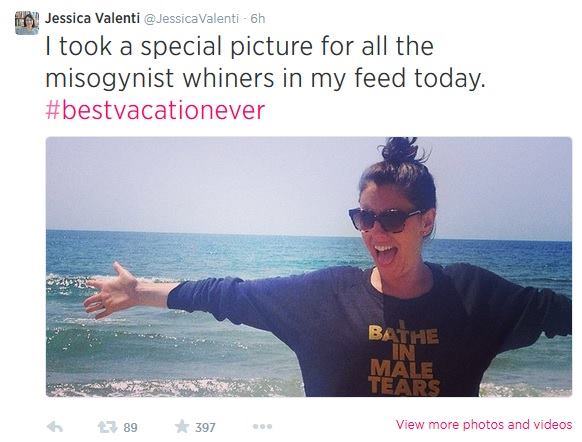
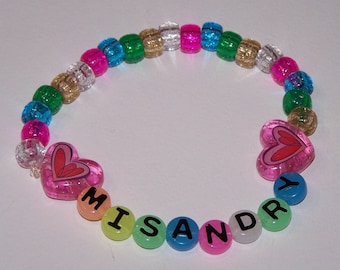
However, there is an important difference between these two jokes. Atheists have never been reported to eat babies, much less to have done such things as a direct result of their atheism, which is why "baby eating" is a joke: its stark incongruity with real-world atheism makes it funny.
Misandry among feminists is different. Misandry does not have the same kind of stark incongruity with real-world feminism as baby-eating does with real-world atheism. There are, and always have been, feminists who openly admit to hating men, which, as Jessica Valenti reminds us, is perfectly compatible with feminism: "But so what if we did [hate men]?"
“To call a man an animal is to flatter him; he’s a machine, a walking dildo.” – Valerie Solanas
“Rape is nothing more or less than a conscious process of intimidation by which all men keep all women in a state of fear” – Susan Brownmiller
“I feel that ‘man-hating’ is an honourable and viable political act, that the oppressed have a right to class-hatred against the class that is oppressing them.” – Robin Morgan, Ms. Magazine Editor
More quotes available here.

Indeed, it seems that when feminists express misandry, it is a direct result of their feminist ideology: the idea that men are the oppressors and women are the oppressed, and it's okay to hate your oppressors. This eliminates any and all irony in the statement "feminists hate men" because it absolutely does happen, and it happens as a direct result of feminist theories. Imagine if even a small population of western, first-world atheists really did eat babies because, "there's no God to stop us!" Would the joke that "atheists eat babies" still be funny or poignant? I highly doubt it.
The supposed joke of "misandric feminists" cannot be compared with the joke of "baby-eating atheists" because misandric feminists actually exist, and are motivated by their feminist ideology. It's not even a joke at all: it's a very real phenomenon. Feminists may ironically "bathe in male tears", but everyone else thinks they're serious, and with good reason.
Misandry among feminists is different. Misandry does not have the same kind of stark incongruity with real-world feminism as baby-eating does with real-world atheism. There are, and always have been, feminists who openly admit to hating men, which, as Jessica Valenti reminds us, is perfectly compatible with feminism: "But so what if we did [hate men]?"
“To call a man an animal is to flatter him; he’s a machine, a walking dildo.” – Valerie Solanas
“Rape is nothing more or less than a conscious process of intimidation by which all men keep all women in a state of fear” – Susan Brownmiller
“I feel that ‘man-hating’ is an honourable and viable political act, that the oppressed have a right to class-hatred against the class that is oppressing them.” – Robin Morgan, Ms. Magazine Editor
More quotes available here.
Indeed, it seems that when feminists express misandry, it is a direct result of their feminist ideology: the idea that men are the oppressors and women are the oppressed, and it's okay to hate your oppressors. This eliminates any and all irony in the statement "feminists hate men" because it absolutely does happen, and it happens as a direct result of feminist theories. Imagine if even a small population of western, first-world atheists really did eat babies because, "there's no God to stop us!" Would the joke that "atheists eat babies" still be funny or poignant? I highly doubt it.
The supposed joke of "misandric feminists" cannot be compared with the joke of "baby-eating atheists" because misandric feminists actually exist, and are motivated by their feminist ideology. It's not even a joke at all: it's a very real phenomenon. Feminists may ironically "bathe in male tears", but everyone else thinks they're serious, and with good reason.
Saturday, March 7, 2015
When MRAs act like Feminists
I often disagree with modern feminists, but one of the reasons I don't throw my lot in with MRAs (even though I agree with them much more frequently) is because they sometimes register the same silly complaints as feminists, just for men instead of women. Or, if their complaints aren't silly, then they aren't very important in light of other, more serious and more solvable, legal problems that men face. I find myself asking them the same question I ask feminists: "Is this really the forefront of your war? If so, you've won the important battles: just go home."
One example of this comes from the Facebook page "Discrimination Against Men", which recently expressed its outrage over an Instagram campaign to "Reverse the Male Gaze", which feminists praised because it 'gives men a tase of their own medicine', as it were: 'Let's see how YOU like being stared at and objectified in public!" The comments on this post expressed a similar dislike for the campaign.
One example of this comes from the Facebook page "Discrimination Against Men", which recently expressed its outrage over an Instagram campaign to "Reverse the Male Gaze", which feminists praised because it 'gives men a tase of their own medicine', as it were: 'Let's see how YOU like being stared at and objectified in public!" The comments on this post expressed a similar dislike for the campaign.

But hang on, if the purpose of this campaign is to show men how bad it feels to be gazed upon in public, then doesn't getting mad about it actually prove the feminists' point?
"How do YOU like being 'male gazed' in public?"
"I don't like it at all!"
"Exactly, and neither do women."
You know what I say? Let 'em take pictures! Let 'em look at me! If I'm in public, then people are allowed to look at me and yes, take pictures of me. You think I care? You think I'm "oppressed" by this? I'm not, and neither are you.
George Orwell's "Animal Farm" becomes relevant once again:
"The creatures outside looked from pig to man, and from man to pig, and from pig to man again; but already it was impossible to say which was which."
Tuesday, March 3, 2015
Sincerely Defying Gender Roles
In my conversations with self-proclaimed feminists, many of them have made it clear that one of their goals is to eliminate gender roles and gender stereotypes (henceforth noted as "GR/S"). They also occasionally claim that eliminating some GR/S (i.e. negative female ones) will eliminate ALL GR/S. A famous example of this was Emma Watson's "He for She" speech at the United Nations, in which she said,
"We don’t often talk about men being imprisoned by gender stereotypes, but I can see that they are, and that when they are free, things will change for women as a natural consequence. If men don’t have to be aggressive in order to be accepted, women won’t feel compelled to be submissive. If men don’t have to control, women won’t have to be controlled."
Interestingly, this presents a viable alternative strategy: if you think that speaking out against one subset of GR/S will eliminate ALL GR/S, then does it really matter which ones you speak out against? Couldn't you just as easily attack positive female GR/S and negative male GR/S and still accomplish your goal? Why do feminists only attack negative female GR/S if they believe that all GR/S are joined at the hip? This gives off the impression that they only want the good stuff for women, and that their movement is self-serving.
Heck, if you really want people to know that your fight against all GR/S is sincere, then you should attack the positive stereotypes about women (women are better parents, women are better communicators, women are tidier) and the negative stereotypes about men (men are stupid, men are malicious, men are unemotional, men are sloppy). Not only would that accomplish your goal of eliminating GR/S, but it would also prove your sincerity beyond a reasonable doubt. And yet, most feminists seem to only attack negative female gender roles and positive male gender roles... which makes me wonder: are they really sincere in their fight against gender roles, or do they just want women to be rid of the bad ones while keeping the good ones?

"We don’t often talk about men being imprisoned by gender stereotypes, but I can see that they are, and that when they are free, things will change for women as a natural consequence. If men don’t have to be aggressive in order to be accepted, women won’t feel compelled to be submissive. If men don’t have to control, women won’t have to be controlled."
Interestingly, this presents a viable alternative strategy: if you think that speaking out against one subset of GR/S will eliminate ALL GR/S, then does it really matter which ones you speak out against? Couldn't you just as easily attack positive female GR/S and negative male GR/S and still accomplish your goal? Why do feminists only attack negative female GR/S if they believe that all GR/S are joined at the hip? This gives off the impression that they only want the good stuff for women, and that their movement is self-serving.
Heck, if you really want people to know that your fight against all GR/S is sincere, then you should attack the positive stereotypes about women (women are better parents, women are better communicators, women are tidier) and the negative stereotypes about men (men are stupid, men are malicious, men are unemotional, men are sloppy). Not only would that accomplish your goal of eliminating GR/S, but it would also prove your sincerity beyond a reasonable doubt. And yet, most feminists seem to only attack negative female gender roles and positive male gender roles... which makes me wonder: are they really sincere in their fight against gender roles, or do they just want women to be rid of the bad ones while keeping the good ones?
Lisa Simpson: sincerely defying gender roles.
Sunday, February 8, 2015
Consent Has No Double-Standard
Back in 2011, a feminist blogger named Sasha made an interesting observation about our legal system: murder victims' consent is treated differently from rape victims' consent. In murder cases, our starting assumption is that the alleged victim did not consent to the act (until proven otherwise), whereas in cases of sexual encounters, our starting assumption is that the alleged victim did consent to the act (until proven otherwise). Why is that? Why are our starting assumptions (or null hypotheses) exact opposites in cases of rape and murder? This sounds like an absolutely disgusting double-standard. Sasha describes this state of affairs by saying that women are presumed to exist in a perpetual state of consent.
“But what if women weren't presumed to exist in a state of perpetual consent?” – Sasha Said
http://sashasaid.wordpress.com/2011/07/06/rape-and-consent-shifting-burdens/
Now, do I think there is a double-standard at play here? No, I think there is one, single, underlying standard which explains the apparent difference between how we treat consent in murder cases, and how we treat consent in rape cases.
Before I explain what I think this underlying standard is, I’d like to see if I can get you, the reader, to figure it out. I’m going to offer you a hypothetical situation, and then I’m going to ask you to explain what is wrong with this state of affairs. If you come to a different conclusion than I do, let me know.
Imagine that I propose a law, and this law dictates that in cases of murder, where it has already been established that the accused person did indeed kill the victim, the accused person is still innocent until it is proven that the victim did not consent to being killed (assuming, of course, that this would vindicate the accused person). In other words, unless the prosecution can prove that the dead person clearly stated that they didn’t want to die, the default assumption of the court is that the dead person agreed to being killed, and the murderer would go free.
Now, obviously this is ridiculous, but why is it ridiculous? Why don’t we assume that murder victims agreed to be murdered until proven otherwise?

Here is my answer; I think this law would be ridiculous because the vast majority of murders are non-consensual, and understandably so: do you look forward to death? Therefore, it doesn't make sense to assume, as a starting point, that any one particular murder victim did consent, and to require the prosecution to prove otherwise. It would be ridiculous to think this way given what we know of murder and of peoples’ strong aversion to dying.
However, what if people didn't have a strong aversion to dying? What if being murdered was an enjoyable experience? How would that affect this thought experiment?
Let's return to our thought experiment, but now let's imagine that all humans are in constant pain, and murdering another person was seen as a great act of altruism. In this world, that the vast majority of murders are consensual, and understandably so. I think that in this world, the law I proposed would be reasonable, since the vast majority of murders are consensual, so it makes sense for our null hypothesis, our starting assumption, to be that any one instance of murder is consensual unless proven otherwise.

Similarly, in the real world, I think that because the vast majority of sexual encounters are consensual, it makes sense to assume that any one particular sexual encounter is consensual unless proven otherwise, thus placing the burden of proving otherwise on the accuser.
In other words, and this is my key point: if you are claiming that this particular incident (of rape, murder, etc.) is different from other events like it, then it is your job to prove that this incident is, in fact, different. This is how the burden of proof works in all crimes, and this, I think, is why people are assumed to be in a perpetual state of consent when it comes to sex, and a perpetual state of non-consent when it comes to being killed: people usually enjoy sex, and people usually don't enjoy dying. It would be disastrous to confuse these two very different acts, as illustrated by the first version of our thought experiment, as well as by the image below.
To reiterate: the reason why people are assumed to be in a “perpetual state of consent” with regard to sex, but not with regard to murder, is because normally, having sex is consensual, and being murdered is not, so it's reasonable to assume that any one particular murder victim did not consent, and that any one particular sexual participant did consent. If, however, you are claiming that this particular incident was different (e.g. I did not consent to sex, or the man did consent to being killed), then it’s on you to prove it.
People are also presumed to be in a state of “perpetual consent” when they carpool with someone they know (I mean, “kidnapped”), or when they are hugged by a family member (I mean, “assaulted”). This is because these things are normal, everyday events that people normally consent to. If you want to claim that your friend kidnapped you, or that your family member assaulted you, then it’s your job to prove that this incident was different from the other times you've carpooled with that friend or been hugged by that family member.
This, I think, explains the apparent double-standard between court cases of rape and murder, and demonstrates that, in fact, the same standard is used in both.
“But what if women weren't presumed to exist in a state of perpetual consent?” – Sasha Said
http://sashasaid.wordpress.com/2011/07/06/rape-and-consent-shifting-burdens/
Now, do I think there is a double-standard at play here? No, I think there is one, single, underlying standard which explains the apparent difference between how we treat consent in murder cases, and how we treat consent in rape cases.
Before I explain what I think this underlying standard is, I’d like to see if I can get you, the reader, to figure it out. I’m going to offer you a hypothetical situation, and then I’m going to ask you to explain what is wrong with this state of affairs. If you come to a different conclusion than I do, let me know.
Imagine that I propose a law, and this law dictates that in cases of murder, where it has already been established that the accused person did indeed kill the victim, the accused person is still innocent until it is proven that the victim did not consent to being killed (assuming, of course, that this would vindicate the accused person). In other words, unless the prosecution can prove that the dead person clearly stated that they didn’t want to die, the default assumption of the court is that the dead person agreed to being killed, and the murderer would go free.
Now, obviously this is ridiculous, but why is it ridiculous? Why don’t we assume that murder victims agreed to be murdered until proven otherwise?
Here is my answer; I think this law would be ridiculous because the vast majority of murders are non-consensual, and understandably so: do you look forward to death? Therefore, it doesn't make sense to assume, as a starting point, that any one particular murder victim did consent, and to require the prosecution to prove otherwise. It would be ridiculous to think this way given what we know of murder and of peoples’ strong aversion to dying.
However, what if people didn't have a strong aversion to dying? What if being murdered was an enjoyable experience? How would that affect this thought experiment?
Let's return to our thought experiment, but now let's imagine that all humans are in constant pain, and murdering another person was seen as a great act of altruism. In this world, that the vast majority of murders are consensual, and understandably so. I think that in this world, the law I proposed would be reasonable, since the vast majority of murders are consensual, so it makes sense for our null hypothesis, our starting assumption, to be that any one instance of murder is consensual unless proven otherwise.
Similarly, in the real world, I think that because the vast majority of sexual encounters are consensual, it makes sense to assume that any one particular sexual encounter is consensual unless proven otherwise, thus placing the burden of proving otherwise on the accuser.
In other words, and this is my key point: if you are claiming that this particular incident (of rape, murder, etc.) is different from other events like it, then it is your job to prove that this incident is, in fact, different. This is how the burden of proof works in all crimes, and this, I think, is why people are assumed to be in a perpetual state of consent when it comes to sex, and a perpetual state of non-consent when it comes to being killed: people usually enjoy sex, and people usually don't enjoy dying. It would be disastrous to confuse these two very different acts, as illustrated by the first version of our thought experiment, as well as by the image below.
 |
| This is a false analogy because "kidnapping" implies non-consent, whereas "having sex" does not. A proper analogy would be between having sex and carpooling. |
To reiterate: the reason why people are assumed to be in a “perpetual state of consent” with regard to sex, but not with regard to murder, is because normally, having sex is consensual, and being murdered is not, so it's reasonable to assume that any one particular murder victim did not consent, and that any one particular sexual participant did consent. If, however, you are claiming that this particular incident was different (e.g. I did not consent to sex, or the man did consent to being killed), then it’s on you to prove it.
People are also presumed to be in a state of “perpetual consent” when they carpool with someone they know (I mean, “kidnapped”), or when they are hugged by a family member (I mean, “assaulted”). This is because these things are normal, everyday events that people normally consent to. If you want to claim that your friend kidnapped you, or that your family member assaulted you, then it’s your job to prove that this incident was different from the other times you've carpooled with that friend or been hugged by that family member.
This, I think, explains the apparent double-standard between court cases of rape and murder, and demonstrates that, in fact, the same standard is used in both.
Wednesday, January 28, 2015
Anita Sarkesian vs. Real-Life Women
What follows is not meant to tie into a larger criticism of Anita Sarkesian's work (or at least, I hope it doesn't lead me down that rabbit hole): it is simply meant to demonstrate that there are valid things to criticize about her work and the arguments she makes, and to add to the pool of calm, reasonable critiques of her ideas.
One of the issues that Anita has with many video games is the fact that when game designers need to draw a female character, they simply take a male character and add "feminizing gender signifiers" to it, thus creating a "female" character. This, she says, reinforces the gender binary, stereotypes women, and reinforces the idea of "male" as the default.
However, the reason video game creators do this in video games is because that's how women look in real life: if you look at an average-looking man and an average looking woman, you notice that while they both have the same basic face, the woman has usually added additional visual features that most men don't typically have, including:
> Long, dark eyelashes (mascara)
> Makeup (blush, eyeliner, lipstick)
> Jewelry (earrings, pendants, rings)
> Long hair, which sticks out from the skull, unlike male hair which usually hugs the skull (or is absent altogether).
The reason why game designers create female characters by adding visual features to male characters is because that's how women create the "female appearance" in real life: women take the same basic face that men have, and then they add visual features to it. If most women didn't grow their hair out, or wear makeup, or wear jewelry, then video game females wouldn't have those feminizing gender signifiers: it would make no sense. It would be just as irrelevant and unclear as giving all male characters a tattoo of a fish on their faces "just to show that they're male."
If Anita really wants feminizing gender signifiers to go away, and if she doesn't want the "male appearance" to be the basic, default appearance, then she should be fighting against feminizing gender signifiers at their source: real-life women. If real-life women didn't use gender signifiers, then video game women wouldn't use them either.
But, of course, even if Anita agreed with this line of reasoning, she would never tell real-life women what they can and can't wear, so she'd be stuck. All she could do is petition video game creators to have no genders in video games, which would never happen, and which is why I think this argument of hers is silly.
UPDATE [3/21/2015] - I was wrong: Anita Sarkesion would tell real-life women what they can and can't do (or wear): https://www.youtube.com/watch?v=mHDbZ2hHtlg
"Choice feminism posits that each individual woman determines what is empowering for herself, which might sound good on the surface, but this concept risks obscuring the bigger picture and larger fundamental goals of the movement by focusing on individual women with a very narrow individual notion of empowerment.
It erases the reality that some choices women make have an enormous negative impact on other women’s lives. So it’s not enough to feel personally empowered or personally successful within the oppressive framework of the current system. Even if an individual woman can make patriarchy work for her, it’s still a losing game for the rest of the women on the planet.
The fact of the matter is that some choices have ramifications beyond ourselves and reinforce harmful patriarchal ideas about women as a group and about women’s bodies in our wider shared culture."
Well, at least she's consistent with her ideology, although you give that same "compliment" to Christians who go around killing gay people.
UPDATE [4/3/2015] - It turns out that Anita, in fact, doesn't want gender to exist in video games, as I predicted. According to Anita, a proper, feminist-approved female character is one with no back story, a vague motivation, almost no personality, and no appearance of being female... oh, but the developers call it a "she". I feel comfortable saying that I called it.
https://www.youtube.com/watch?v=gXmj2yJNUmQ
----------------------------------------
One of the issues that Anita has with many video games is the fact that when game designers need to draw a female character, they simply take a male character and add "feminizing gender signifiers" to it, thus creating a "female" character. This, she says, reinforces the gender binary, stereotypes women, and reinforces the idea of "male" as the default.
 |
| An example of a how a male character is transformed into a female character by adding feminizing gender signifiers. |
However, the reason video game creators do this in video games is because that's how women look in real life: if you look at an average-looking man and an average looking woman, you notice that while they both have the same basic face, the woman has usually added additional visual features that most men don't typically have, including:
> Long, dark eyelashes (mascara)
> Makeup (blush, eyeliner, lipstick)
> Jewelry (earrings, pendants, rings)
> Long hair, which sticks out from the skull, unlike male hair which usually hugs the skull (or is absent altogether).
The reason why game designers create female characters by adding visual features to male characters is because that's how women create the "female appearance" in real life: women take the same basic face that men have, and then they add visual features to it. If most women didn't grow their hair out, or wear makeup, or wear jewelry, then video game females wouldn't have those feminizing gender signifiers: it would make no sense. It would be just as irrelevant and unclear as giving all male characters a tattoo of a fish on their faces "just to show that they're male."
 |
| A prime example of why video game designers use gender signifiers. |
If Anita really wants feminizing gender signifiers to go away, and if she doesn't want the "male appearance" to be the basic, default appearance, then she should be fighting against feminizing gender signifiers at their source: real-life women. If real-life women didn't use gender signifiers, then video game women wouldn't use them either.
 |
| If women didn't accessorize this appearance, then video game designers wouldn't do it either. Pictured: Emilia Clarke |
But, of course, even if Anita agreed with this line of reasoning, she would never tell real-life women what they can and can't wear, so she'd be stuck. All she could do is petition video game creators to have no genders in video games, which would never happen, and which is why I think this argument of hers is silly.
UPDATE [3/21/2015] - I was wrong: Anita Sarkesion would tell real-life women what they can and can't do (or wear): https://www.youtube.com/watch?v=mHDbZ2hHtlg
"Choice feminism posits that each individual woman determines what is empowering for herself, which might sound good on the surface, but this concept risks obscuring the bigger picture and larger fundamental goals of the movement by focusing on individual women with a very narrow individual notion of empowerment.
It erases the reality that some choices women make have an enormous negative impact on other women’s lives. So it’s not enough to feel personally empowered or personally successful within the oppressive framework of the current system. Even if an individual woman can make patriarchy work for her, it’s still a losing game for the rest of the women on the planet.
The fact of the matter is that some choices have ramifications beyond ourselves and reinforce harmful patriarchal ideas about women as a group and about women’s bodies in our wider shared culture."
UPDATE [4/3/2015] - It turns out that Anita, in fact, doesn't want gender to exist in video games, as I predicted. According to Anita, a proper, feminist-approved female character is one with no back story, a vague motivation, almost no personality, and no appearance of being female... oh, but the developers call it a "she". I feel comfortable saying that I called it.
https://www.youtube.com/watch?v=gXmj2yJNUmQ
Wednesday, January 14, 2015
If Blacks had acted like Feminists
History is full of examples of drastic social and political changes which were brought about by civil rights and social justice movements (Ghandi, gay rights, women's suffrage, etc.), but from what I've seen of popular modern feminism, it does not appear to resemble any of these successful social movements.
To illustrate this point, I have photoshopped some images from the American civil rights movement of the 1960's to display phrases used by these modern feminists. I've done this in order to illustrate how first world these statements are, how insulting they are, and how irrelevant they are to a so-called social justice movement. Click on the images if you need to enlarge them.
.jpg)


In my experience, (as illustrated by these images) most issues raised by these feminists are either trivial and not requiring a social movement (such as manspreading or long lines at bathrooms), or, when the issues are genuine, the approach many feminists would have us take to solve them is downright silly, such as affirmative consent laws.
To illustrate this point, I have photoshopped some images from the American civil rights movement of the 1960's to display phrases used by these modern feminists. I've done this in order to illustrate how first world these statements are, how insulting they are, and how irrelevant they are to a so-called social justice movement. Click on the images if you need to enlarge them.
In my experience, (as illustrated by these images) most issues raised by these feminists are either trivial and not requiring a social movement (such as manspreading or long lines at bathrooms), or, when the issues are genuine, the approach many feminists would have us take to solve them is downright silly, such as affirmative consent laws.
Tuesday, December 2, 2014
Feminist Ideas vs Fieldwork
The Rape, Abuse, and Incest National Network (RAINN) is the largest anti-abuse network in the United States, and this organization does real "field work" helping victims of rape, abuse, and incest. If there is an expert on these problems, RAINN is certainly on the list of candidates; these people are out in the field doing real work helping real victims.
I mention this because earlier this year (2014), RAINN released a report to the White House with specific recommendations for how to reduce the number of rapes on college campuses. This is important because it provides us with an opportunity to perform an experiment: if the mainstream feminist perspective on rape is correct, then we should expect RAINN's recommendations to emphasize things like combating rape culture and reworking masculinity, which many feminists have insisted are the major underlying causes of rape.
However, not only does the RAINN report not recommend addressing rape culture and masculinity, it specifically denounces focusing on these topics as tactics to reduce the number of rapes on campus.
"In the last few years, there has been an unfortunate trend towards blaming “rape culture” for the extensive problem of sexual violence on campuses. While it is helpful to point out the systemic barriers to addressing the problem, it is important to not lose sight of a simple fact: Rape is caused not by cultural factors but by the conscious decisions, of a small percentage of the community, to commit a violent crime.
While that may seem an obvious point, it has tended to get lost in recent debates. This has led to an inclination to focus on particular segments of the student population (e.g., athletes), particular aspects of campus culture (e.g., the Greek system), or traits that are common in many millions of law-abiding Americans (e.g., “masculinity”), rather than on the subpopulation at fault: those who choose to commit rape. This trend has the paradoxical effect of making it harder to stop sexual violence, since it removes the focus from the individual at fault, and seemingly mitigates personal responsibility for his or her own actions."
Source: https://rainn.org/images/03-2014/WH-Task-Force-RAINN-Recommendations.pdf
And just like creationists who are confronted with biologists who actually work in the field, many feminist bloggers dismissed these experts, claiming that RAINN just doesn't understand feminism, or isn't looking at the problem correctly.

A similar situation arose when Erin Pizzey opened the first battered women's shelter in the UK in 1971. She soon discovered that many of the women at her shelter were just as violent as their husbands, and that a lot of domestic violence was reciprocal, and some feminists at the time reacted violently and hatefully when she voiced those observations. Again, feminists were at odds with a field worker.
This is what I mean when I say that I disagree with feminist ideas: while I support the goal of gender equality, I disagree with their models of reality (e.g. rape culture) and with the solutions these models present, as, it seems, RAINN also does.
I mention this because earlier this year (2014), RAINN released a report to the White House with specific recommendations for how to reduce the number of rapes on college campuses. This is important because it provides us with an opportunity to perform an experiment: if the mainstream feminist perspective on rape is correct, then we should expect RAINN's recommendations to emphasize things like combating rape culture and reworking masculinity, which many feminists have insisted are the major underlying causes of rape.
However, not only does the RAINN report not recommend addressing rape culture and masculinity, it specifically denounces focusing on these topics as tactics to reduce the number of rapes on campus.
"In the last few years, there has been an unfortunate trend towards blaming “rape culture” for the extensive problem of sexual violence on campuses. While it is helpful to point out the systemic barriers to addressing the problem, it is important to not lose sight of a simple fact: Rape is caused not by cultural factors but by the conscious decisions, of a small percentage of the community, to commit a violent crime.
While that may seem an obvious point, it has tended to get lost in recent debates. This has led to an inclination to focus on particular segments of the student population (e.g., athletes), particular aspects of campus culture (e.g., the Greek system), or traits that are common in many millions of law-abiding Americans (e.g., “masculinity”), rather than on the subpopulation at fault: those who choose to commit rape. This trend has the paradoxical effect of making it harder to stop sexual violence, since it removes the focus from the individual at fault, and seemingly mitigates personal responsibility for his or her own actions."
Source: https://rainn.org/images/03-2014/WH-Task-Force-RAINN-Recommendations.pdf
And just like creationists who are confronted with biologists who actually work in the field, many feminist bloggers dismissed these experts, claiming that RAINN just doesn't understand feminism, or isn't looking at the problem correctly.
 |
| http://www.slate.com/blogs/xx_factor/2014/03/18/rainn_attacks_the_phrase_ rape_culture_in_its_recommendations_to_the_white.html |
 |
https://storify.com/EqualityEd/jessicavalenti-meltdown-over-rainn-denouncing-rape
|
This is what I mean when I say that I disagree with feminist ideas: while I support the goal of gender equality, I disagree with their models of reality (e.g. rape culture) and with the solutions these models present, as, it seems, RAINN also does.
Monday, December 1, 2014
Subverting the Presumption of Innocence
There is a very common political tactic that many different groups of people use to get around laws they don't like, and that tactic is to introduce a new law, which is related to the law they don't like and wish to subvert, which uses terms that, while they sound perfectly reasonable on their face, are so broad and vague that they can be (and are intended to be) interpreted in ways that undermine the law these people don't like. I will call this tactic "political subversion". And yes, I am aware that "subversion" is already a political term which means something different, but bear with me here.
As many astute American secularists and atheists may know, the intelligent design movement, having been denied the right to inject their pseudo-scientific ideas into science classrooms in 2005, has since changed tactics to writing bills that simply wish to keep science "open" and to "encourage critical thinking". Taken at face value, this sounds very reasonable and downright obvious, but the problem is that it opens the door for teachers to, as the saying goes, "teach the controversy" and introduce non-science into science classrooms... all in the interest of doing good science, of course.
For example, there was a bill in Tennessee back in 2012 that claimed to want to protect science and ensure that students develop critical thinking skills. However, if you read the bill's text, and if you follow the Intelligent Design movement, it's obvious that this is simply an attempt to wedge anti-science into science classrooms by using broad terms that, again, sound great, but will be interpreted beyond what most people think they mean. Back in 2012, I made a video criticizing this bill.
Bill text: http://www.capitol.tn.gov/Bills/107/Bill/SB0893.pdf
For more examples of these kinds of subversive science-related legislation, visit the National Center for Science Education's website; they heavily report and document these kinds of bills that seek to broaden and subvert science education.
But this tactic doesn't only happen with regard to science education; it also shows up when talking about the right to an abortion, freedom of (and from) religion, and increasingly commonly, when certain feminists talk about rape victims in a court setting. As with science subversion, they use vaguely-worded legislation to undermine laws they don't like.
I bring this up because an amendment to the Illinois Constitution (Article I, section 8.1) called "Crime Victims' Rights" recently passed, which appears to be an attempt at political subversion: it reaffirms things that people already agree with (the rights of the accuser), but it uses broad and undefined terms to do so, which leaves room to go above and beyond what most people think this bill is saying. I implicate feminism in this post because the bill's text is reminiscent of some current feminist talking points.
This Illinois amendment includes, among other things, the following addition to the first stated right of victims. The addition is underlined below.
(1) The right to be treated with fairness and respect for their dignity and privacy and to be free from harassment, intimidation, and abuse throughout the criminal justice process.
While this seems like a good idea that any reasonable person should support, the words, "harassment", "intimidation", and "abuse" are never actually defined in this amendment, which means that a wide variety of things may be banned from the criminal justice process as being "harassing" or "intimidating" to the victim, and that is where my concern begins. Specifically, my concern is that the necessary process of checking the victim's story will be labeled as "harassment" and "intimidating to the victim", and this process may be performed less rigorously or even eliminated altogether.
This would leave the courts no choice but to always believe the alleged victim (because remember, checking their story is abusive and intimidating), and the courts would be de facto forced to operate by "guilty until proven innocent", stripping the defendant of their right to the presumption of innocence. And what do you know, it turns out that many influential feminists have written in favor of exactly this in cases of rape and sexual assault, as I noted in this past blog post. On top of that, Sweden is actually considering adopting such a policy as law.

This, I think, is a compelling reason to oppose this amendment to the Illinois constitution. especially when you consider that victims are already entitled to "fairness and respect for their dignity and privacy".
That being said, if there is evidence that victims of crimes face serious problems that are require more than "fairness and respect", I might change my mind about this proposed amendment. Furthermore, if the words "harassment", "intimidation", and "abuse" were strictly defined such that they did not interfere with the necessary criminal justice process, again, I might change my mind about this amendment.
However, as this amendment is written, it raises a red flag that strongly suggests an ulterior motive to undermine the rights of the accused, much like the red flags for subverting science education, abortion rights, and freedom of religion in other bills.
Examples of Political Subversion
As many astute American secularists and atheists may know, the intelligent design movement, having been denied the right to inject their pseudo-scientific ideas into science classrooms in 2005, has since changed tactics to writing bills that simply wish to keep science "open" and to "encourage critical thinking". Taken at face value, this sounds very reasonable and downright obvious, but the problem is that it opens the door for teachers to, as the saying goes, "teach the controversy" and introduce non-science into science classrooms... all in the interest of doing good science, of course.
For example, there was a bill in Tennessee back in 2012 that claimed to want to protect science and ensure that students develop critical thinking skills. However, if you read the bill's text, and if you follow the Intelligent Design movement, it's obvious that this is simply an attempt to wedge anti-science into science classrooms by using broad terms that, again, sound great, but will be interpreted beyond what most people think they mean. Back in 2012, I made a video criticizing this bill.
Bill text: http://www.capitol.tn.gov/Bills/107/Bill/SB0893.pdf
For more examples of these kinds of subversive science-related legislation, visit the National Center for Science Education's website; they heavily report and document these kinds of bills that seek to broaden and subvert science education.
 |
| You must first get behind someone before you can stab them in the back. |
But this tactic doesn't only happen with regard to science education; it also shows up when talking about the right to an abortion, freedom of (and from) religion, and increasingly commonly, when certain feminists talk about rape victims in a court setting. As with science subversion, they use vaguely-worded legislation to undermine laws they don't like.
Victims and Political Subversion
I bring this up because an amendment to the Illinois Constitution (Article I, section 8.1) called "Crime Victims' Rights" recently passed, which appears to be an attempt at political subversion: it reaffirms things that people already agree with (the rights of the accuser), but it uses broad and undefined terms to do so, which leaves room to go above and beyond what most people think this bill is saying. I implicate feminism in this post because the bill's text is reminiscent of some current feminist talking points.
This Illinois amendment includes, among other things, the following addition to the first stated right of victims. The addition is underlined below.
(1) The right to be treated with fairness and respect for their dignity and privacy and to be free from harassment, intimidation, and abuse throughout the criminal justice process.
While this seems like a good idea that any reasonable person should support, the words, "harassment", "intimidation", and "abuse" are never actually defined in this amendment, which means that a wide variety of things may be banned from the criminal justice process as being "harassing" or "intimidating" to the victim, and that is where my concern begins. Specifically, my concern is that the necessary process of checking the victim's story will be labeled as "harassment" and "intimidating to the victim", and this process may be performed less rigorously or even eliminated altogether.
This would leave the courts no choice but to always believe the alleged victim (because remember, checking their story is abusive and intimidating), and the courts would be de facto forced to operate by "guilty until proven innocent", stripping the defendant of their right to the presumption of innocence. And what do you know, it turns out that many influential feminists have written in favor of exactly this in cases of rape and sexual assault, as I noted in this past blog post. On top of that, Sweden is actually considering adopting such a policy as law.
This, I think, is a compelling reason to oppose this amendment to the Illinois constitution. especially when you consider that victims are already entitled to "fairness and respect for their dignity and privacy".
That being said, if there is evidence that victims of crimes face serious problems that are require more than "fairness and respect", I might change my mind about this proposed amendment. Furthermore, if the words "harassment", "intimidation", and "abuse" were strictly defined such that they did not interfere with the necessary criminal justice process, again, I might change my mind about this amendment.
However, as this amendment is written, it raises a red flag that strongly suggests an ulterior motive to undermine the rights of the accused, much like the red flags for subverting science education, abortion rights, and freedom of religion in other bills.
Monday, November 24, 2014
Feminism vs. Responsibility
I’ve
noticed a common, underlying theme of many feminist ideas and publications, and
it’s a theme that I wasn’t convinced existed, despite the assurance of a few anti-feminists here and there. However, after spending more time in the midst of feminists
(both online and in real life), this theme has become more and more pronounced, and I see it very clearly now.
This theme within many feminist ideas and publications is an appeal to pity in order to reject women’s personal responsibility…. which means what, exactly?
An appeal to pity is a type of logical fallacy in which the arguer attempts to convince you that her conclusion is correct by appealing to your sense of pity (for her, for the people in question, etc.), and in the case of feminists’ use of this fallacy, the conclusion they want you to accept is that women are powerless to fix whatever is causing their suffering: women don’t need to do anything, rather, men (or the society they control (patriarchy)) need to make the change, and we are supposed to just agree with the women who make this argument because they are suffering (appeal to pity). The story basically goes, “If women are suffering, then it's not their fault at all, and thus, there’s nothing they can do to fix their situation. Instead, other people (men) are the ones who need to do something about it.”
To illustrate how appeal to pity is used to reject personal responsibility in a general case, here is an analogous situation. Imagine I get into a car crash, and as a result, I become paralyzed from the neck down. As I'm lying in the hospital, I tell you that the car crash wasn’t my fault, and I beg you to believe me because I’ve been horribly maimed. Are you really going to look at me, as I lie in a hospital bed with tubes down my throat, and tell me that this is my fault? Of course not! But does that mean it wasn't my fault? Of course not!
While you may be extremely sympathetic to my current situation, your feelings of pity are irrelevant as to whether or not the car crash was my fault. However, it is very tempting to succumb to your feelings of pity and to simply agree with me.

You can also see how this fallacy arises in a formal argument structure.
1. I was involved in a car crash.
2. The car crash left me permanently disabled.
3. Therefore, the car crash was not my fault.
As you can see, P1 and P2 have nothing to do with the conclusion, except that P2 makes you feel pity, which kind of does make you want to agree with the arguer’s conclusion. Hence, the fallacy is called “appeal to pity”.
Many feminists do the same thing in order to remove women’s personal responsibility when talking about the following topics, and they often place the responsibility on men instead. Their justification? Women are victims, therefore, there's nothing they can/should do about it. In fact, if you listen to these feminists, it seems like there is absolutely nothing that women can do to improve their situation, and yet they persist that their brand of feminism is empowering to women.

This theme within many feminist ideas and publications is an appeal to pity in order to reject women’s personal responsibility…. which means what, exactly?
An appeal to pity is a type of logical fallacy in which the arguer attempts to convince you that her conclusion is correct by appealing to your sense of pity (for her, for the people in question, etc.), and in the case of feminists’ use of this fallacy, the conclusion they want you to accept is that women are powerless to fix whatever is causing their suffering: women don’t need to do anything, rather, men (or the society they control (patriarchy)) need to make the change, and we are supposed to just agree with the women who make this argument because they are suffering (appeal to pity). The story basically goes, “If women are suffering, then it's not their fault at all, and thus, there’s nothing they can do to fix their situation. Instead, other people (men) are the ones who need to do something about it.”
To illustrate how appeal to pity is used to reject personal responsibility in a general case, here is an analogous situation. Imagine I get into a car crash, and as a result, I become paralyzed from the neck down. As I'm lying in the hospital, I tell you that the car crash wasn’t my fault, and I beg you to believe me because I’ve been horribly maimed. Are you really going to look at me, as I lie in a hospital bed with tubes down my throat, and tell me that this is my fault? Of course not! But does that mean it wasn't my fault? Of course not!
While you may be extremely sympathetic to my current situation, your feelings of pity are irrelevant as to whether or not the car crash was my fault. However, it is very tempting to succumb to your feelings of pity and to simply agree with me.
"Broken collar bone? Awesome! Now it's not my fault!"
You can also see how this fallacy arises in a formal argument structure.
1. I was involved in a car crash.
2. The car crash left me permanently disabled.
3. Therefore, the car crash was not my fault.
As you can see, P1 and P2 have nothing to do with the conclusion, except that P2 makes you feel pity, which kind of does make you want to agree with the arguer’s conclusion. Hence, the fallacy is called “appeal to pity”.
Many feminists do the same thing in order to remove women’s personal responsibility when talking about the following topics, and they often place the responsibility on men instead. Their justification? Women are victims, therefore, there's nothing they can/should do about it. In fact, if you listen to these feminists, it seems like there is absolutely nothing that women can do to improve their situation, and yet they persist that their brand of feminism is empowering to women.
BODY IMAGE
This is one of the most popular talking points of many feminists right now: the pressure girls feel to conform to the standard of beauty, the criticism girls get for how they look, etc. Now, why does this happen? Well, anyone who’s been through school, or better yet, studied this occurrence, will tell you that the primary perpetrators of slut-shaming and of criticizing women based on how they look and act are, in fact, other women. And, as the linked article explains, not because society hates women.
If a girl puts on different makeup, wears new shoes, and gets her hair done, it’s other girls who notice and critique her, not men. In fact, boyfriends (stereo)typically get scolded for exactly that: not noticing that their girlfriends altered their appearance in some subtle way. But guess who gets blamed for making girls feel bad about their appearances? Men; men get blamed for what women do to each other.

And of course there are all those fashion magazines that tell women to lose weight and which make women feel bad by putting photoshopped women on the cover. But who writes these magazines? Not men, women. And who are these magazines written for? Not men, women. The people who have the power to make this change are women: women can stop buying them, and women can stop writing them. But once again, it's easier to blame men for being attracted to healthy-looking women with phenotypes that indicate good genes.

Men hate women's bodies, but is it men, or women?

Open this image in a new tab to see it more clearly.
“But you don’t understand: women are the victims! Are you really going to tell me that women are victims because of other women?”
Yes, yes I am. Maybe these feminists could organize a workshop on “healthy femininity” to work out what’s wrong with women, rather than telling men to rethink their masculinity, or shaming them for something they are not guilty of doing.
Now I'm not saying that these issues of body image are not problems "because it's just in-fighting among women", I'm just saying that you cannot reasonably blame men for these issues. Unless, of course, you wish to blame men for being attracted to phenotypes that indicate good genes, good health, and high estrogen levels.
DRUNKEN HOOKUPS
I’ve heard enough feminists talk about this that I’ve decided to talk about it here. This is the idea that if two people have sex, even when they are equally drunk, then the woman is a rape victim, and the man is a rapist, and it usually goes like this:

Not, "too drunk to consent," just, "drunk".

It’s funny how, when two equally drunk people have sex, these feminists declare the woman to be free from
responsibility for it, saying that the man should have known she was too drunk. However, if someone decided to drive drunk after her equally drunk friends told her to, everyone would say (as our courts do) that the driver is at fault, despite
the presence of her equally drunk friends "who should have known that she was too
drunk to consent drive." It is understood that when you are drunk, and you choose to do something, even at the pressure of your drunk peers, you are responsible for you.
Once again, these feminists reject women’s personal responsibility.
Once again, these feminists reject women’s personal responsibility.
Even the simplest and most brain-dead obvious ways of reducing your risk of being sexually assaulted are decried by many feminists. There’s nothing more offensive than telling a woman not to walk through the bad part of town alone at night to reduce her risk of being raped… buuuut if you tell her not to wear a solid red t-shirt in the bad parts of LA, well, that’s just obvious and you should already know that. Idiot.
Now, as I explained in a past blog post, I understand that most rapes happen between people who know each other, and the perpetrators are normally people who you should be able to trust. Furthermore, most of the time it is not the “dark alley”, “stranger in the bushes” scenario, and thus, in most cases of rape, there really is nothing the rape victim did that was as obviously dangerous; it is usually not comparable to wearing a solid red t-shirt in LA.
However, even in those few cases where the victim did do something stupid (like go to a party at a well-known rape frat), many feminists still insist that the victim had absolutely no power to reduce her chances of being raped, and advising women (or rather, everyone) to avoid bad neighborhoods is offensive…. even though this advice would actually reduce the number of rape victims.
This creates an interesting paradox: these feminists claim they want to see fewer women raped, but it sounds like they’re actually willing to see MORE women raped, just so long as those women don’t get blamed for it at all. I don’t know about you, but I’d prefer to not be raped. Please don’t force women to become rape martyrs in exchange for freedom from any responsibility.
STREET HARASSMENT
This follows a similar vein as the previous topic, and although the sentiment expressed below is less common in feminist circles than those presented above, the level of blatant disregard for women’s agency in this instance was too astounding for me to ignore.
Now, the underlying idea is one that I can appreciate and agree with: you should be free to dress yourself how you want. However, these women then go on to pretend that we already live in this ideal world, and they act shocked that dressing provocatively... well, provokes people.

This follows a similar vein as the previous topic, and although the sentiment expressed below is less common in feminist circles than those presented above, the level of blatant disregard for women’s agency in this instance was too astounding for me to ignore.
Now, the underlying idea is one that I can appreciate and agree with: you should be free to dress yourself how you want. However, these women then go on to pretend that we already live in this ideal world, and they act shocked that dressing provocatively... well, provokes people.
“I know the way I dress is
kind of provocative,
but it doesn't mean I should have to deal with it.”
In a perfect world, appearances wouldn't matter, but failing to acknowledge even a basic level of self-awareness in the real world is simply childish and it ignores your own agency. A comparable situation might be if a man went into a business interview wearing a polo shirt and slacks, and then complained about being seen as "unprofessional".
In fact, my barber has told stories of men who have gotten their long hair cut and their beards trimmed, and then these men are amazed by how differently people treat them. Suddenly, people address them as "sir", hold the door for them, and take them seriously. It's quite amazing, and it illustrates the fact that this is something that everyone has to deal with.
Ideally, it wouldn't matter what you wear (or how you keep your hair and beard), but quite frankly, you're an idiot if you ignore the reality that it does matter to at least a basic extent.
Once again, we have a case of, "I'm a victim, therefore, it's not my fault."
In fact, my barber has told stories of men who have gotten their long hair cut and their beards trimmed, and then these men are amazed by how differently people treat them. Suddenly, people address them as "sir", hold the door for them, and take them seriously. It's quite amazing, and it illustrates the fact that this is something that everyone has to deal with.
Ideally, it wouldn't matter what you wear (or how you keep your hair and beard), but quite frankly, you're an idiot if you ignore the reality that it does matter to at least a basic extent.
Once again, we have a case of, "I'm a victim, therefore, it's not my fault."
CONCLUSION
During the civil rights movement in the United States, Martin Luther King Jr. got people organized for change; he didn't sit around complaining about the "white culture", demonizing white people, and assuring his supporters that black people were helpless victims.
Women have agency and responsibility, but many feminists are trying to take away women’s agency and turn them into victim objects with no power at all. Women are stronger and smarter than these feminists think. Women can improve their situation, they can think for themselves, and they can do it without blaming the men around them or asking men to be strong and independent for women.
In the old days, it was believed that women couldn't make rational choices without the guidance of men. Nowadays, it is believed that women can't make rational choices without the guidance of feminists. I maintain that women are rational, they can make their own choices, they can deal with real-world problems in a rational way, and they can empower themselves.
Subscribe to:
Posts (Atom)